We are such stuff as dreams are made on; and our little life is rounded with a sleep.
William Shakespeare
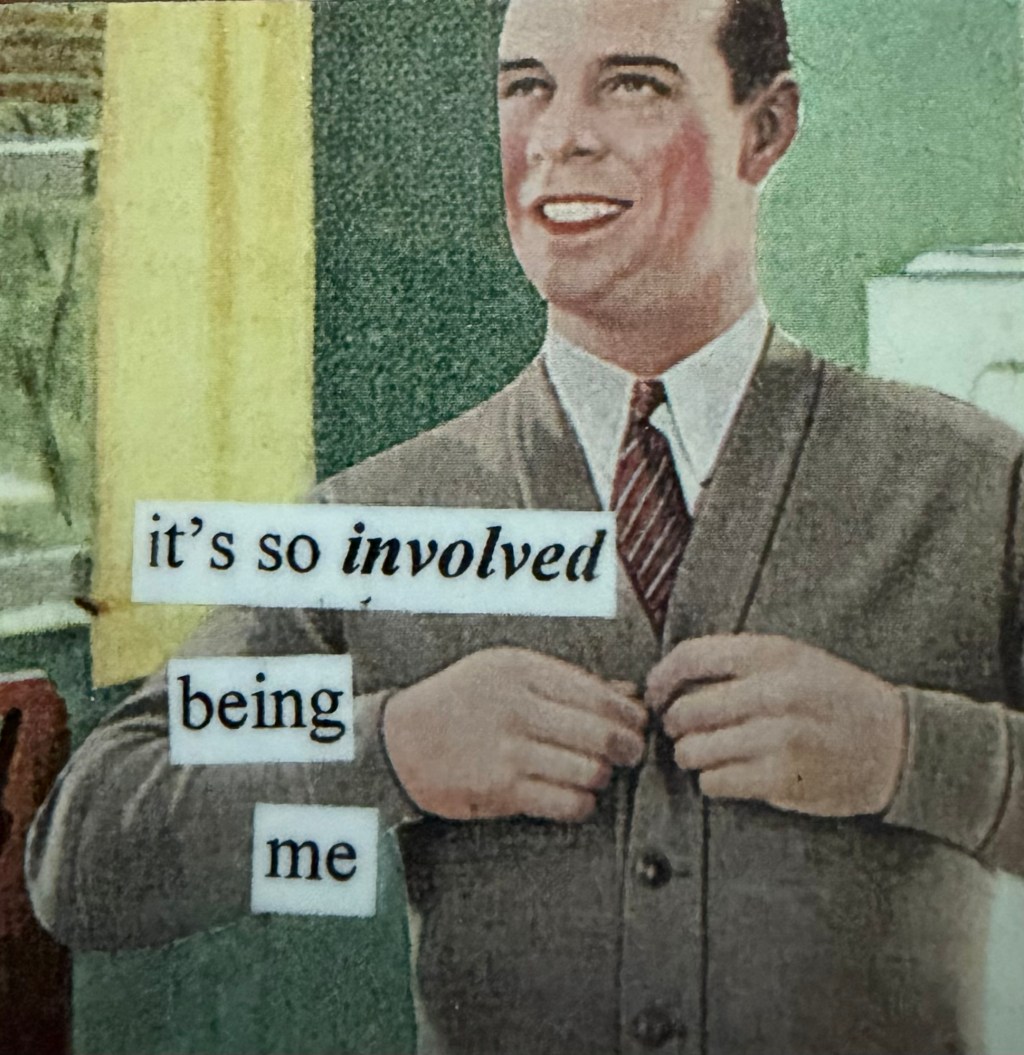
I don’t often remember my dreams. Even when I wake up with a dream fresh on my mind, it nearly always slips away like a ship drifting into the fog.
Last week, I had a dream that I so wanted to hold onto that I rushed to find a pen and piece of paper to write down as many thoughts as I could before they passed through my sieve of a brain. In the morning light, much of what I wrote didn’t make a lot of sense, but enough did that I could still feel the dream’s impact.
I will spare you the convoluted details (it took place on a desert island of all things) and get down to the main point. I was speaking with someone about something difficult in my life and ended the conversation with these words.
“I don’t know what else to do.”
While that might not sound particularly profound, for me, those words summon up a tidal wave of feelings.
First, they remind me of a Brené Brown book I read several years ago. In the book, Brené tells of how she was invited to speak at a conference and unexpectedly had to share her hotel room with someone she found to be quite slovenly. It was a very frustrating experience, but after quite a bit of soul-searching, Brené decided that the woman wasn’t trying to be obnoxious. She was simply doing the best that she could.
In the case of dream Andrew, expressing “I don’t know what else to do” brought me to the same place. Although I have no recollection of what I was referring to in the dream, my words were a restatement of “I am doing the best that I can.” There was frustration and there was acceptance. My best will change as I learn and grow, but I can never expect more of myself than I am capable of giving at any one point in time.
All I know is that my life is better when I assume that people are doing their best. It keeps me out of judgment and lets me focus on what is and not what should or could be. Brené Brown
Childhood Baggage
Second, and perhaps more importantly, the words from my dream force me to think about the baggage I carry from my childhood into adult life. I recall the patterns, mistakes, and missteps that can be clearly traced back to the dysfunction my father brought into my birth family. As I grew into adulthood, too many of my own behaviors were modeled after those I swore I would never adopt. Try as I might to be different from my parents, their imprint can still be found all over me. It has become so familiar that it’s often very difficult to know where they end and where I begin.
It took real and focused work, but I honestly believe that I have grown beyond much of that childhood baggage. Still, it’s not something I will ever fully jettison. It’s not a smudge of dirt I can wash off my body. There are times when much of it is nearly forgotten, but like a leaky roof, the problem has a knack for finding another way into the house.
You show me a family, I’ll show you dysfunction. Adrian Dunbar
The same holds true for Dad’s dysfunction. It has an uncanny way of slipping through the cracks and coming out of me in a sideways fashion. It’s up to me to stay vigilant and continually ask myself, “Where did that come from?”
Of Course
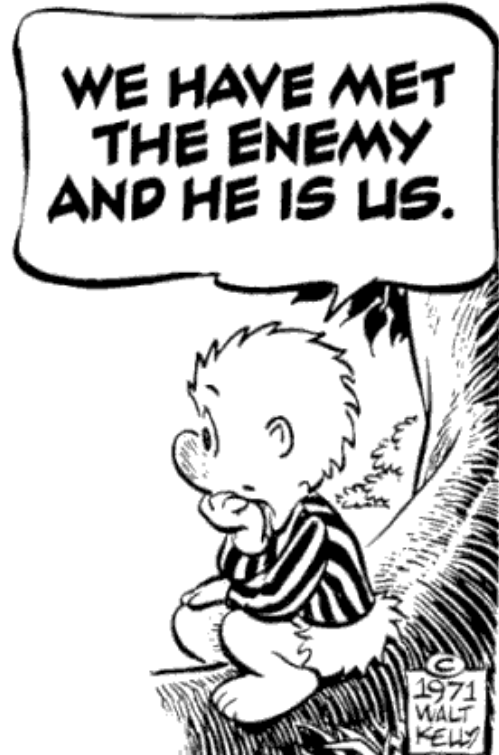
This is a two-way street, and if I am willing to acknowledge that I am only capable of doing the best I can, it’s essential to acknowledge the same about everyone — including Dad. Despite my pain and resentments, he, too, was doing the best that he could.
I grew up with an angry, alcoholic father. Dad grew up with an angry, alcoholic father. I carried the baggage of childhood into my adult life and Dad did the same. The imprint he left on me came directly from the imprints left by our shared ancestors. We are not as different as I would like to think we are and that’s a very humbling recognition.

None of this says our bad behaviors are or ever will be justifiable. As Brené wrote, accepting that everyone is doing their best brings the focus back to what is and not what it could or should be. Instead of berating a person, I need to focus on the behavior. Accepting reinforces that my behaviors are the only ones I am capable of changing.
Back to the Dream
My middle-of-the-night notes contain a bit more. Most importantly, I scratched out the words “gratitude,” “rewire brain,” and “spiritual practice.” My half-asleep brain most likely knew exactly why gratitude and spiritual practice appeared while my fully awake brain is forced to make a few guesses.
I expect that “rewire brain” is me looking back at “doing the best that I can” and thinking about ways to create new paths that lead to different and more desirable results. I am a firm believer that the recognition of my character faults is essential to changing them. As I wrote above, the chances are good that many will always simmer away in the nooks and crannies of my brain, but it’s within my power to keep them hidden and mostly locked away. Call that what you want, but rewire brain works for me.
As for “spiritual practice,” that feels like dream Andrew reminding wide-awake Andrew to create daily routines that help me do the best I can. I believe that I am already doing quite a bit of that, but there is certainly room for improvement. There are still a number of ways in which I consistently fall short, and I need to up my doing-me-best game.
The goal of spiritual practice is full recovery, and the only thing you need to recover from is a fractured sense of self. Marianne Williamson
I imagine that writing gratitude was simply a way of emphasizing its importance to living my best life. It’s already a core piece of my spiritual practice, and sleepy me was acknowledging that.
Mr. Sandman, Bring Me a Dream
Wow, that’s a lot of speculation about a dream I only half remember, but isn’t speculation and wakeful analysis what dreams are for? I suspect that a lot of the interpretation came from what was already on my mind. I tend to spend a lot of time contemplating change and why shouldn’t it seep into my dreams?
It’s rare when I receive a direct and completely obvious message in the middle of the night. More often, the dreams I remember are convoluted messes that can be interpreted in any number of different ways. So, if I choose to take “I don’t know what else to do” as a reflection on rising above the baggage of my childhood, more power to me. I could certainly do worse.
I may never completely escape the messiness of my childhood, but I can name it, learn from it, and continue to recognize that I am doing the best that I can. Perhaps that’s all I should ever ask of myself. Well, that and keeping my life rounded with a sleep and challenging, thought-provoking dreams — especially those where I can fly.
Thank you for reading.

Fantasy and imagination
dreams and hallucinations
as the frenzy of day gives way to the solemn of night
as the body relaxes and the mind retreats
Here and now
in this sacred space of darkness
secure and secreted away
I accept and I surrender
I lose control
allowing the mystery to take me to wherever she chooses


Leave a Reply