Note. The underlying article can be found at https://ajprokop.com/2026/09/07/the-things-we-keep-the-stories-they-tell/
Pip: A coffee mug, a space-race tin, and a plastic cup from a baseball game that happened before some of our listeners were born — welcome to Can You Hear Me Now, where the objects on your desk apparently have opinions.
Mara: Andrew Prokop’s recent writing takes us into the stories behind the things we hold onto, and why those objects carry more weight than their price tags ever would. Let’s start with what gets kept, and what it costs us when we wait too long.
The Things We Keep, The Stories They Tell
Pip: The frame here is deceptively simple: why do we keep things that have no practical use and wouldn’t survive a garage sale? The post argues that the objects aren’t the point — the stories attached to them are.
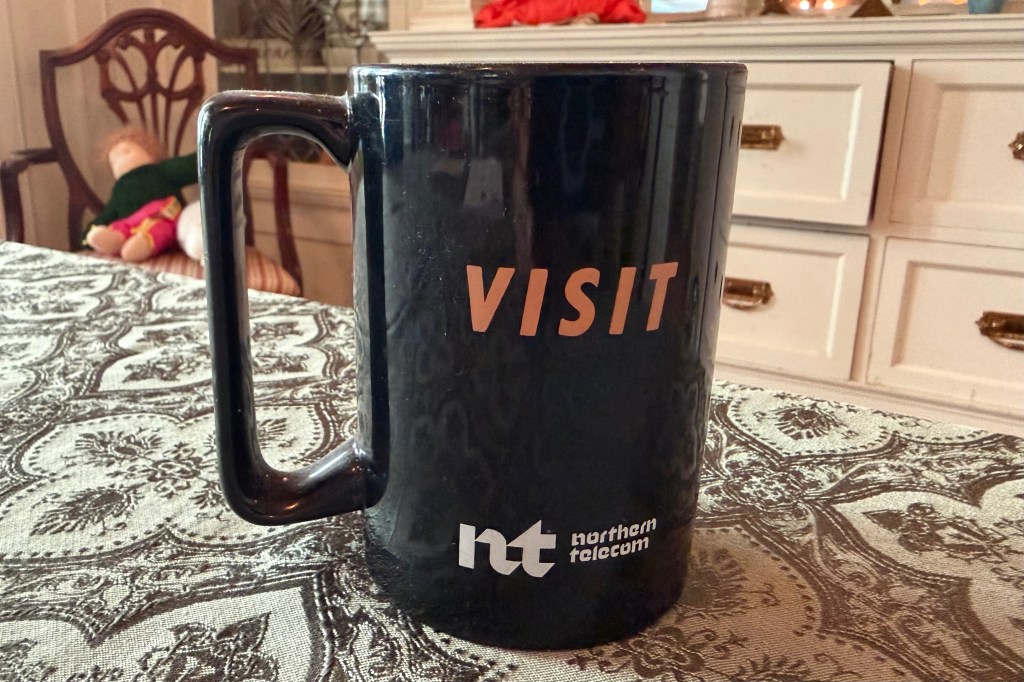
Mara: The post opens with a mug from Northern Telecom, and the three thoughts it triggers. Here’s how that gets summed up: “Look at what we accomplished. Look at how it failed. Look at what happened to its developers.”
Pip: That’s the whole arc of a career in three lines. Revolutionary product, market that wasn’t ready, team that scattered and faded — and all of it compressed into a coffee mug sitting on a desk in 2026.
Mara: The Visit platform is the concrete case. It was a voice and video collaboration system — think Zoom, but from the early nineties — built at Northern Telecom before any real competitors existed. The post describes it as “bleeding edge technology” with “no real competitors” for years, including Skype. It failed not because it was bad, but because the world wasn’t ready to give up desk phones or show their faces on camera.
Pip: Pioneers are always the first to die, as the post puts it. Being first and being right are not the same thing as being funded.
Mara: The emotional weight shifts when the post moves to a second object — a space-race coffee can picked up from a garage. The plan was to give it to his brother Bob, who loved space. The next time together never came. Bob passed away without ever knowing the can existed. The post quotes Edward Young: “Procrastination is the thief of time.”
Pip: The can stopped being about the moon program the moment the plan got deferred. Now it’s a story about a man who waited.
Mara: There’s also a third thread — a retired minister named Yorgo, who would visit elderly parishioners and ask about tchotchkes. A worn vase, a pipe, a bow tie. In nearly every case, the object opened into a life. The post’s point is that monetary value and meaning are entirely separate ledgers.
Pip: And the closing wish — that family might someday display these things and tell stories to people he’ll never meet — lands quietly, and then he undercuts it perfectly by giving explicit permission to donate the mug. Keep the can, though.
Mara: That’s the whole argument: what we keep is who we were, and sometimes who we failed to be in time.
Pip: Objects as compressed biography — it’s a more honest archive than most of us maintain deliberately.
Mara: And the cost of waiting to share them is part of the story too. More from this space next time.


Leave a comment