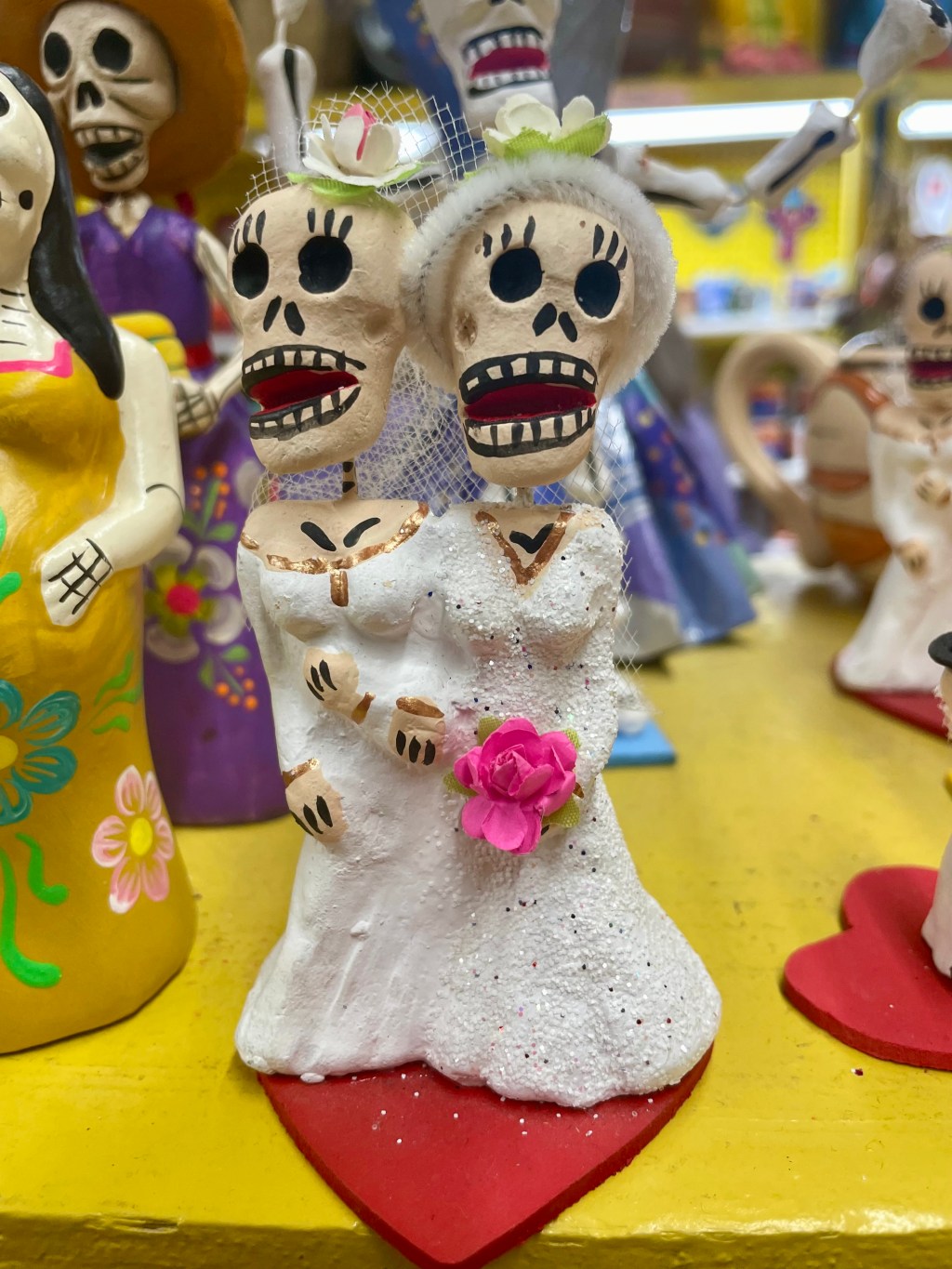
The burden which is well borne becomes light.
Ovid
At a recent gathering with a few male friends, our freewheeling conversation turned towards aging and caring for those who are no longer able to look after themselves. As is common, and somewhat expected with a group of white Americans, someone almost immediately said, “I don’t want to be a burden to anyone.”
I am sure you’ve heard that expressed many times before. Americans feel the need to either take care of themselves, or turn the task over to the paid staff of a senior care facility. To expect those close to us to take on that responsibility is downright anti Declaration of Independence. From an early age, we are taught to not ask for help and the idea of relying on family, friends, or neighbors can feel uncomfortable. It’s almost like we’re violating some unwritten rule.
However, one lone soul quickly spoke out and declared that he wants to be a burden. The rest of us, of course, thought he was joking. Isn’t that contrary to everything we’ve been told to ask for as we age? Isn’t it our job to go quietly into the night without laying expectations upon our family and friends?
He wasn’t joking, though. He was dead serious (pardon the pun) and explained how the idea of being left to fend for ourselves at the tail end of life is not how most of the rest of the world operates. He spoke of the Asian, Indigenous, Hispanic, and African communities he has experienced where the elders are cherished and well cared for by those who know them best.
While some elderly folks may rightfully find themselves in a senior facility, they aren’t put there to be forgotten. They, too, are still considered the responsibility of their community. Whether at home or elsewhere, they are cared for with love and respect.
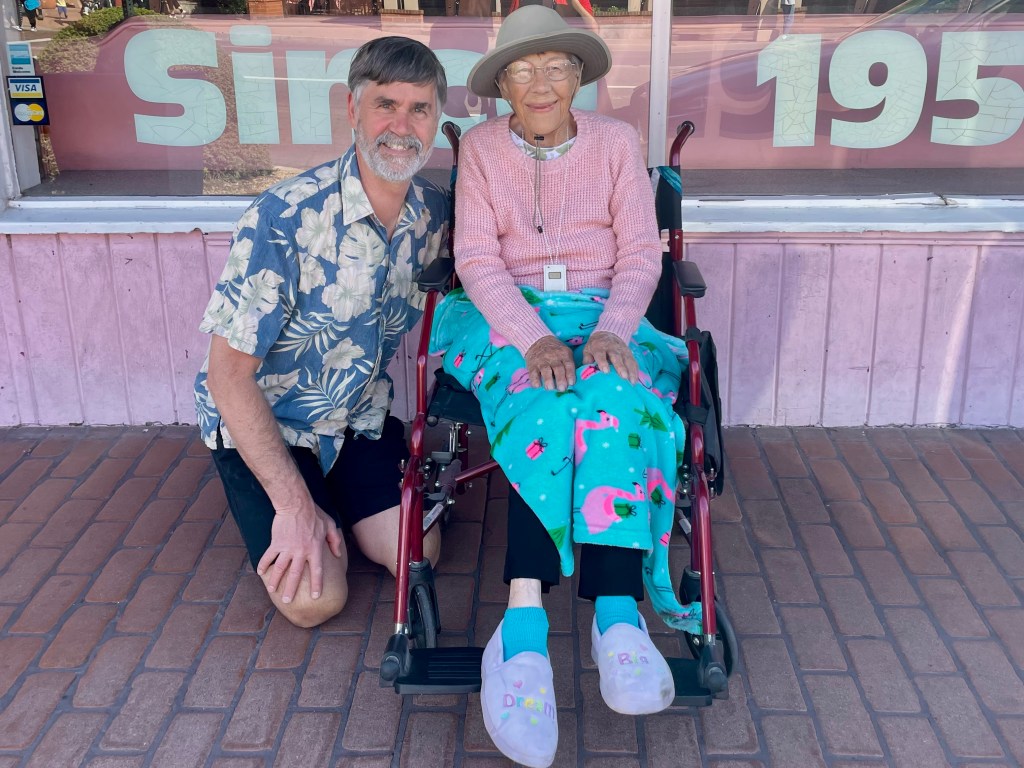
I must admit that I was among those who were surprised by the request to be a burden, but I quickly came to understand what my friend was saying. While I am still young and healthy enough to express a great deal of independence, I am enmeshed in the lives of my children and failing 95-year-old mother-in-law. Unless I am traveling, I see and regularly care for all four of my grandchildren. My adult children are not afraid to ask for help and I am always willing to give it. I fully support Linda in her efforts to care for her fading mother.
Despite how exhausting caring for a four-year-old or an almost-teen might be at times, never once have I considered either one to be a burden. The same goes for everyone else in my extended family. I am honored that they care enough about me to include me in their circle of love and connection.
To the fathers and the mothers
with our daily setbacks and struggles
to the children well fed or the painfully hungry
to the rich and the poor and burdens that each must bear
to the gay and the straight
the complacent and the restless
to those blessed with surety
and those that forever question
To us
the birds of many feathers
flocked together as one
Neighboring
Here in the Twin Cities, we learned just how large and all encompassing a neighborhood can be and just how heavy some burdens can be. When the federal government unleashed its army of goons upon us, we immediately came to the aid of the most vulnerable. We gathered and delivered food. We stood outside federal detention centers to assist those who were rounded up only to be released in the dead of night. We protected school children whose names we will never know. We blew whistles to warn folks of the presence of ill-trained and undisciplined ICE agents. We marched in the streets and stood on bridges waving signs. Some folks bravely went to jail to protect people they will never meet.
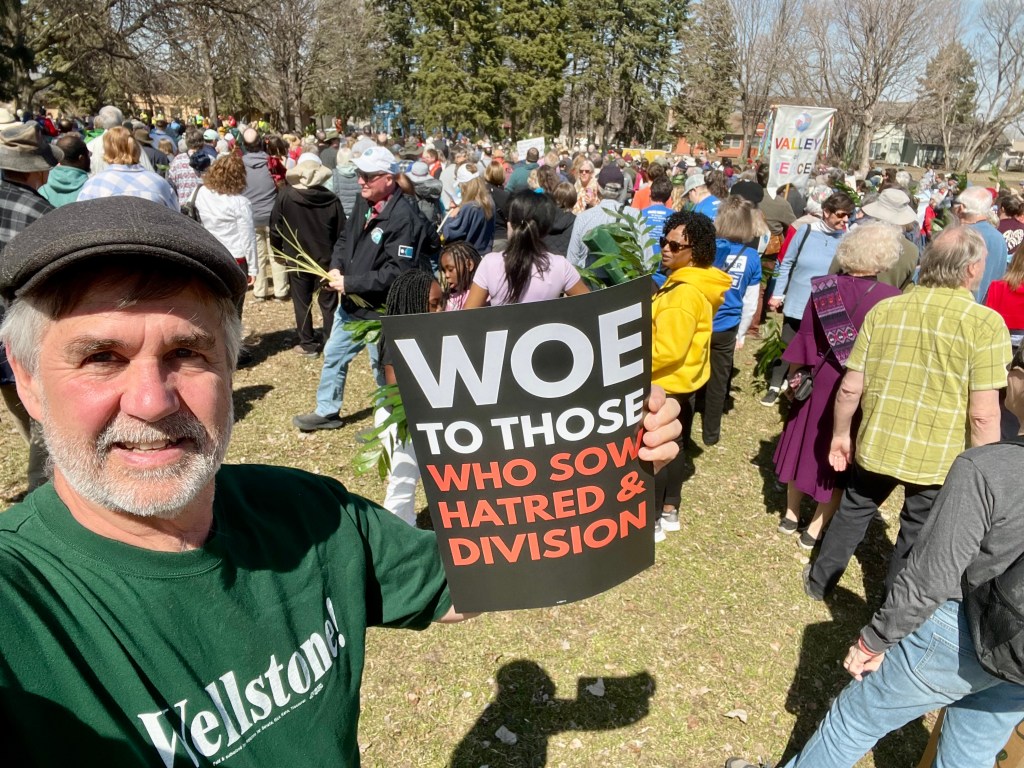
Not once did we call any of this a burden. We called it neighboring and it became a way of life for so many of us. We took to heart the words of Mathew 25:35.
For I was hungry and you gave me something to eat, I was thirsty and you gave me something to drink, I was a stranger and you invited me in.
As a white man with a great deal of privilege, I do not have to worry about being dragged out of my house in the middle of the night — at least not yet. Still, I hope that if someone tries to do that, there will be people ready to say, “No!” As my enlarged neighborhood is willing to carry the “burden” of our vulnerable brethren, I want people to help carry the “burden” that is me. As the late Paul Wellstone said, “We all do better when we all do better.”
If you really want to receive joy and happiness, then serve others with all your heart. Lift their burden, and your own burden will be lighter. Ezra Taft Benson
With my friend’s request to be a burden, he is simply extending the concept of neighboring to his aging self. If strangers can freely support strangers, what keeps friends and family from doing the same for a loved one? Surely this is what beloved community looks like. That is the world I wish to inhabit.
The Burden of Love
The longer I sat with this, the more I began to recognize that asking to carry a loved one’s burden is another expression of love and who chooses to live without love? I want to continue loving the elders and lesser able people in my life just as I want to continue being loved by those more able bodied than me. To say, “I don’t want to be a burden,” is akin to asking to be set aside and ignored. Is that how anyone wants to live out their final years? That would certainly not be my choice.
None of this is to say that I do not bear a great deal of responsibilities concerning my aging. Linda and I have both worked hard to set ourselves up for a graceful and comfortable retirement. Again, there is that privilege. I am not blind to how fortunate we are.
I am now asking that I am allowed to be a burden my family is willing to face with kindness and love. This does not mean they have to rearrange their lives for me. I am not asking to move in with my children. Instead, I want us to be partners as I transition to whatever the future holds in store for me. Not because obligation demands it. Rather, because our relationship invites it.
I want to be the kind of person they choose to care for without reservation or resentment. I also want to give them the same respect even when their decisions for my wellbeing aren’t what I was expecting or hoping for. Listening and bending to necessity is the burden that I must willingly bear in this arrangement. That kind of adaptability is yet another form of love.
When we have nothing to cling to as our own and cease thinking of ourselves as people who must defend privileges, we can open ourselves freely to others with the faithful expectation that our strength will manifest itself in our shared weakness. Henri Nouwen
And when I finally come to the end we are all headed for, I hope to be surrounded (physically or emotionally) by those who know me best — burden and all. That will surely be the exclamation point on a life well lived.
Love and responsibility. Respect and acceptance. What are your asks as you move into the twilight years? Are you open to being the burden we call love?
Thank you for reading.
For family, friends, and strangers
for forgiveness of the mistakes I have made
and those I have yet to make
for finding my way through chaos and clutter
the forceful shove
the gentle touch
for challenges
mine alone and shared
for beauty
change
for darkness and light
For this day
and all the days lived fully in joy and sadness
let me be a burden of being


Leave a comment