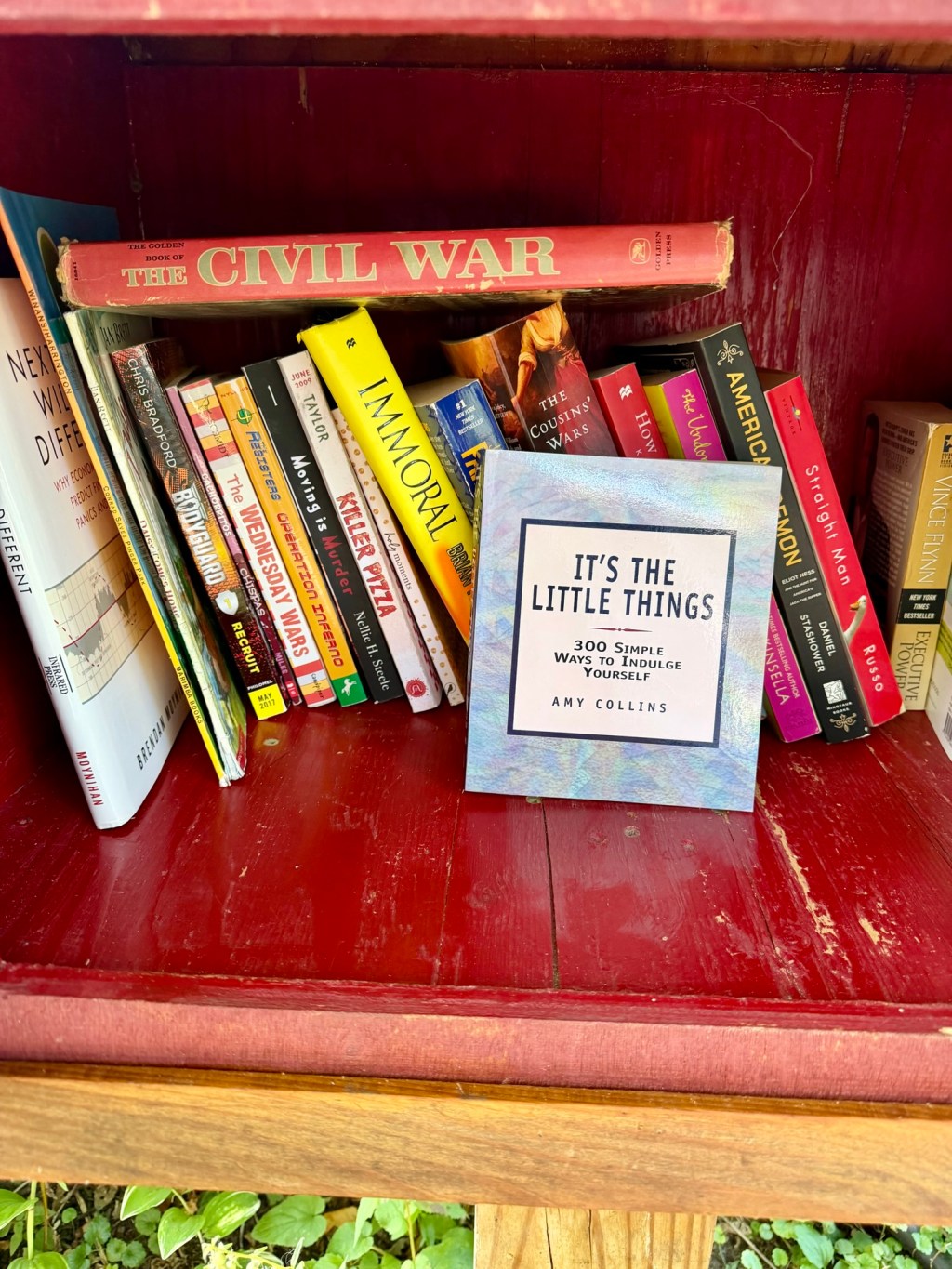
Dignity does not consist in possessing honors, but in deserving them.
Aristotle
Linda and I recently sat down for dinner with our friend, Keith. Keith is a retired social worker who previously managed housing for at-risk adults. His tenants included everyone from folks dealing with mental health issues to those with debilitating addictions. These people often came in from the streets and it was Keith’s job to provide them with a safe place to live as well as access to programs designed to help them manage the struggles that brought them there.
His background came into play when I spoke of how recovery programs ask newcomers to perform daily tasks such as making their beds in the morning and ensuring that all dirty dishes have been washed and dried before going to bed.
Keith immediately chimed in saying how he did something very similar with his tenants. This was especially true for the messiest. He would sit down with them and explain how the cleanliness of their apartments reflects upon how they feel about themselves. It’s difficult to feel worthy of care and compassion when you are surrounded by clutter, piles of unwashed clothing, decaying food, and garbage. A disregard for how you live can rob you of your sense of worth and tell you that you are no better than a soiled shirt or cigarette-burned couch.
The Voice in Your Head
People typically enter recovery programs feeling defeated. After years of setbacks and failure, they have finally reached their bottom and although they want something better, the voice in their head is constantly feeding them lies.
“You are worthless. You are unlovable. You do not deserve to be heard.”
Thankfully, they go, anyway.
As ridiculous as it sounds, you begin changing that destructive narrative by adding the simplest of mundane tasks into your life. Vacuuming a dirty rug or washing a sink full of dishes has the power to begin quieting that inner voice of failure and replace it with one of affirmation.
“I clean my fingernails because I deserve to look nice. I wash my sheets and pillow cases because I deserve to sleep in a clean bed. I do not get angry at cashiers because I am not an angry person.”
If you make your bed every morning you will have accomplished the first task of the day. It will give you a small sense of pride, and it will encourage you to do another task and another and another. By the end of the day, that one task completed will have turned into many tasks completed. Making your bed will also reinforce the fact that little things in life matter. If you can’t do the little things right, you will never do the big things right. And, if by chance you have a miserable day, you will come home to a bed that is made—that you made—and a made bed gives you encouragement that tomorrow will be better. Admiral William H. McRaven
While clean fingernails and a mopped floor are not enough to maintain sobriety, dignity is, and anything that leads in that direction is a worthy endeavor. Recovery is never just one thing. It is a series of steps repeated over and over again until the voice of despair becomes one of redemption.

Doing The Opposite
I have a very good friend who goes through life following this simple practice. When he is struggling, he does the opposite of what he really wants to do. Whether it’s dealing with rage, or fighting the urge to give in to his lesser instincts, this plays itself out in daily life in innumerable ways.
When he is feeling depressed and craving isolation, he makes a phone call. When he has the urge to binge on junk food, he reaches for a carrot. When he is about to yell at the driver who just cut him off, he smiles, waves, and feels gratitude that he is no longer that guy.
Essentially, he is replacing the worst of his behaviors with actions he can be proud of.
This is not all that different than doing the numerous mundane tasks we would rather not do. Each act of doing the opposite, or simply doing what needs to be done, brings us closer to a place of dignity. And after we have regained our self-worth, we are better prepared to do the next right thing.
A Myriad of Excuses
Before I come off as sounding too self-righteous, I will admit that I am no saint and left unchecked, I tend toward messiness — just ask my family and former co-workers. I have also employed countless excuses to justify my inaction.
- I’m too tired.
- What’s the point?
- It doesn’t matter.
- I will get around to that later.
- It’s not my job.
While there are times when those may be valid reasons to not do something, I need to manage the urge very carefully. It’s too easy for an excuse to become a pattern. I am tired today, will be tired tomorrow, and the task never gets done. It is frightening how quickly excuses weasel their way into habits.
Ninety-nine percent of the failures come from people who have the habit of making excuses. George Washington Carver
By overcoming the desire to allow excuses to dictate my actions (or inactions), I am not only reclaiming my voice, I am reminding myself that I am someone who gets things done. Whether it’s picking up a piece of trash that has blown into my neighbor’s front yard, keeping my temper in check, sweeping the front porch, or making amends for a wrongdoing, I am constantly defining my worth. I am far from perfect, but I am someone who cares about who I am and the impact I have upon the world. It’s pride in the best sense of the word.
Without Acclaim or Fanfare
As Aristotle states at the beginning of this meditation, dignity is not about receiving honors. The most important acts of kindness are not those we do in order to be noticed. We do them without fanfare because they are the right things to do.
So, even if no one comments on your clean floors, you still vacuum and mop them. Trust me, the chances of anyone noticing the hospital corners on your bed sheets is practically nil. None of this is for pats on the back or letters of gratitude and it’s essential to get that into your head as quickly as possible.
That is where lasting change and dignity lie. It’s the private knowledge that when given the choice, you choose to do the next right thing. Not for medals and not for attention. Your unacknowledged actions reflect who you are, and it is often the simplest ones that paint the clearest image. Liking what you see is perhaps the best sign of a real and sustainable recovery.
To Infinity and Beyond
Although I have framed this article in terms of recovery, I am convinced that it applies to all of us. I have found that my life is both richer and far more satisfying when I tend to the little things in life. Whether it’s making a bed (truth be told, this is something Linda usually does), taking out the garbage, or cleaning a toilet, even the smallest actions are a reflection of who I am and who I am striving to be — an imperfect human who cares enough to care.
Thank you for reading.

The minutes and the hours
the slow and monotonous deluge
of tiring, frivolous tasks
punched, pulled, and beaten
like a mound of dough
or a slab of pommeled red clay
before it’s marched off to the oven
Until the lion again rises up from the sheep
claiming the right to thunder and clamor
standing with the dignity of one who is master
of life and of himself
To proudly roar
and then go softly into the night


Leave a Reply