
It is right that he too should have his little chronicle, his memories, his reason, and be able to recognize the good in the bad, the bad in the worst, and so grow gently old down all the unchanging days, and die one day like any other day, only shorter.
Samuel Beckett
As a grandfather who is actively involved in the lives of his grandchildren, I cannot help but notice how different their world is from one I experienced at the same ages. Whether it’s strapping the youngest ones into their car seats for a trip to Como Zoo or handing my iPhone to the 12-year-old so she can text her parents, so much has changed.
This got me to thinking about the things I once did on a regular basis that will never be a part of their lives. Conversely, they know and do things that would have seemed impossible to young Andrew.
As my lists grew, I found that patterns emerged. It was never one thing, it was collections of things that shared a common theme.
Safety
Let’s start with safety.
The previously mentioned car seats immediately come to mind. Not only were they unheard of in the 1950s and 1970s, I cannot remember my parents even having seatbelts in their cars until the 1970s. Shoulder straps didn’t arrive until I was out of the house and on my own.
Not only did us kids bounce around the car on bench seats, we regularly frolicked in the back Mom and Dad’s 1957 Chevy station wagon. We were living examples of the movie, The Way Back.
I also need to add the lack of bike helmets, knee pads, child proof medicine bottles, and wrist guards. And if falling from your bike or poisoning yourself weren’t enough, we were the generation that threw metal tipped Jarts into our heads. It’s a wonder that any of us made it out of childhood alive.
Thankfully, we have moved beyond my generation’s invincibility nonsense. I applaud today’s safety measures and cringe when people call us a nanny state. The safety of my grandchildren is far more important than the misguided nostalgia of my wild, wild west childhood.
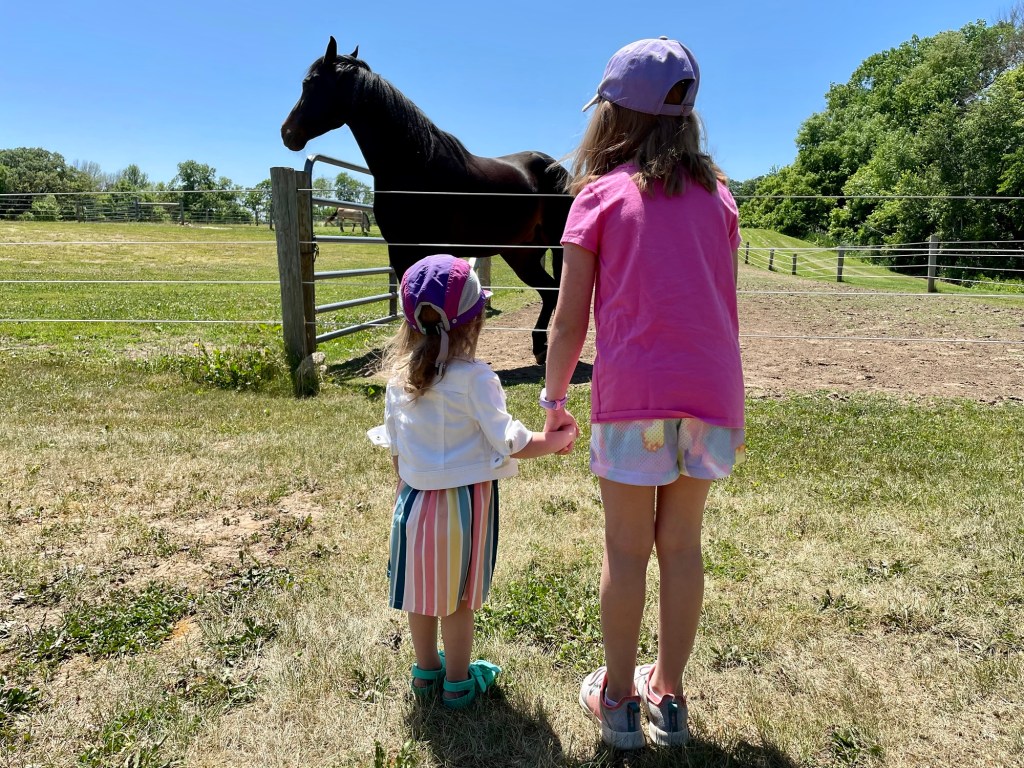
Immediacy
Once upon a time, you had to wait a week for your favorite TV show to air, and if you missed it, you had to wait until the summer reruns to get another shot at it. For all its faults, this made the television set the gathering place for families. In my house, we were all in the same room at the same time when The Carol Burnet or Ed Sullivan shows came on. Missing a show meant missing a mini family reunion.
Movies had a similar viewing pattern. If you didn’t see The Love Bug in the theater when it first came out, you had a very long wait until it was shown on TV — and lots of movies never made it that far. Disney+ and Blockbuster Video were decades away.
These days, you get what you want when you want it where you want to be. Those must-see weekly television shows viewed on the family TV or the trips to the drive-theater have turned into streaming Netflix on an iPhone in the privacy of your bedroom. Entertainment has moved from communal to solitary.
The immediacy aspect goes well beyond TV shows and movies. Books are downloaded to our ebooks the moment we decide we want to read them. We no longer buy physical music. Instead, we listen to digital incarnations on Spotify or Apple Music. We don’t have to wait for film to be developed and printed to see our vacation photographs. We point, we click, we see. Grandma and grandpa are never more than a FaceTime call away. Hungry? Order a sandwich on your phone and it’s at your doorstep in 20 minutes.
All this would have seemed like magic to ten-year-old Andrew, but it’s commonplace today.
Putting on my old guy, get-off-my-lawn hat for a second, I wonder what it’s like to live without anticipation —to have everything at your fingertips the moment you want it. How well does that serve us?
An intense anticipation itself transforms possibility into reality; our desires being often but precursors of the things which we are capable of performing. Samuel Smiles
Technology
I don’t even know where to begin with technology. Practically everything has changed since I was a kid.
I am old enough to remember when my hometown Phoenix television stations consisted of only three national networks (NBC, CBS, and ABC), public broadcasting, and one local channel (KPHO 5). TVs are now platforms for Internet streaming services and the content choices are practically endless.
Everyone carries a computer around in their pocket. Cars have become rolling computers. Washing machines and dryers arrive equipped with WiFi. Robots vacuum our houses. Gas pumps talk to us. GPS has all but eliminated paper maps. AI is replacing thinking.
I am not one to reject technology outright, but I do question our dependency on it. I sincerely hope that my grandchildren leave room in their lives for manual and imaginative experiences. Let’s not turn everything over to the machines.
Potpourri
Looking back at my childhood, I realize that the possibility is extremely high my grandchildren will never:
- Patiently wait by the radio to hear their favorite Top 40 song
- Walk to a friend’s house without first texting or calling
- Hand crank a car window
- Read newspaper want ads
- Read or write a letter in cursive
- Drive a car with “three on the tree”
- Wind a wristwatch
- Wait four to six weeks for a delivery
- Use a slide rule
- Put a penny behind a fuse
- Lick a postage stamp
- Dial a rotary phone
- Dial 0 for the operator
- Watch a film strip
- Use an encyclopedia
- Watch Saturday morning cartoons
- Make a call from a phone booth
- Eat a candy cigarette
- Stay up long enough to see television stations sign off for the day
- Load film into a camera
- Get gas at a full service station
- Wait until the evening to make a long distance telephone call because the rates are cheaper
- Fold a paper map
- Collect Green Stamps
- Climb under a school desk during an atomic bomb drill
- Hear a busy signal
- Use a flash bulb
- Watch their favorite show on a black and white television
- Memorize telephone numbers
- Put slugs into a vending machine
- Wind a skate key
- Look up a telephone number in the phone book
- Find a business in the Yellow Pages
- Rush to a Kmart Blue Light Special
- Spend hours staring at the toy section in the Sears Catalogue
- Collect Bazooka Joe bubble gum wrappers and send away for the prizes
- Bang two chalk board erasers together
- Pull a string on a toy to make it talk
I admit that most of this list is based on nostalgia. With the exception of Saturday Morning Cartoons, very few of these things have any real importance to me anymore and I expect that most of it is me trying to hold onto the memory of a childhood long gone. Growing old is a series of wins and losses and there are times when the losses feel more significant.
I’ve never understood why people consider youth a time of freedom and joy. It’s probably because they have forgotten their own. Margaret Atwood
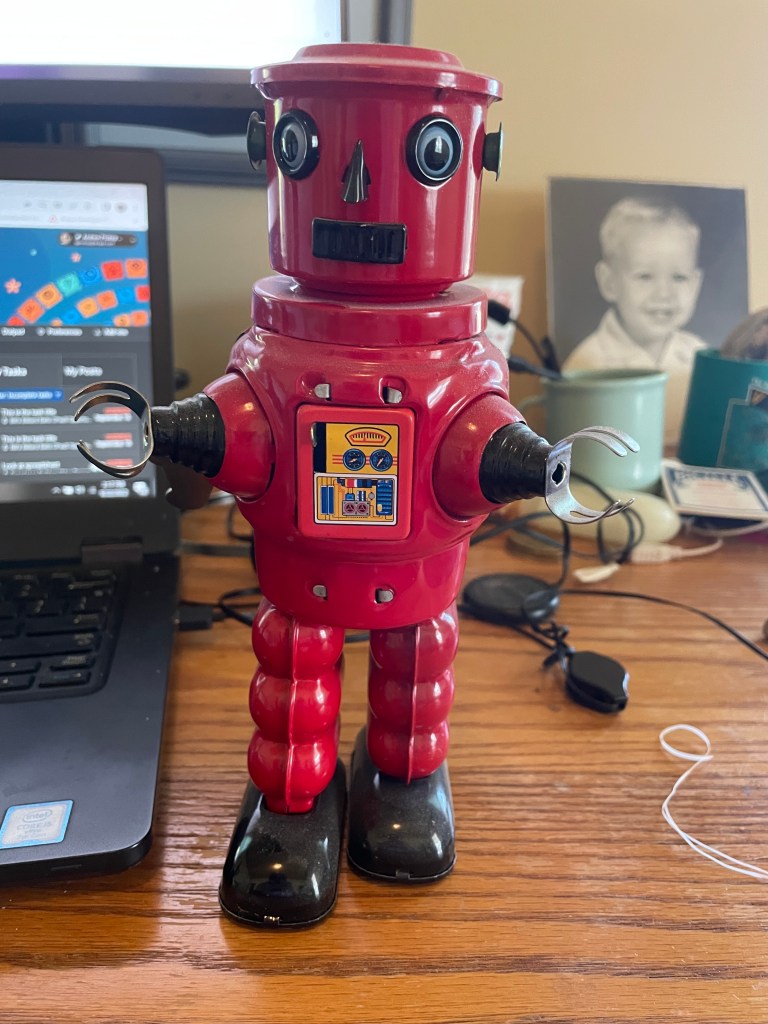
Good Riddance
I don’t want to imply that everything was better when I was young. There were plenty of destructive behaviors that we accepted as normal. Think about those cars without seatbelts and biking without a helmet.
We used ugly words to describe people, their conditions, and their lifestyles. Some words bothered me, but I am sad to say that several were a part of my vocabulary.
Corporal punishment was common place. I have clear memories of standing with my classmates in the Loloma Elementary School courtyard watching Principal Trexler paddle a kid. I remember seeing my seventh grade English teacher hold a classmate up against the wall.
Don’t worry that children never listen to you; worry that they are always watching you. Robert Fulgham
For most of my early years, girls were not allowed to wear pants to school. Boys with long hair were sent home, or worse, received an impromptu haircut in the principal’s office.
Being gay was criminal. Sexism was accepted as normal. Smoking was allowed nearly everywhere.
I can go on and on, but you get the point. While my generation had the best bands (I will go to my grave believing that), we were messed up in all sorts of other ways.
Songs for Aging Children
Of course, I grew up in a world very foreign to what my parent’s knew or understood. They looked at the new normal of my youth and shook their heads in bewilderment, wonder, or disgust. That’s simply the nature of life. Everything changes, nothing is permanent, and we all want the comfort we’ve grown to love.
All the times that I’ve cried, keeping all the things I knew inside
It’s hard, but it’s harder to ignore it
If they were right, I’d agree; but it’s them they know, not me
Yusuf “Cat Stevens” Islam
There may come a time when I am no longer able to absorb change — both the wins and the losses. I saw it happen to Mom and Dad and I see it happening to my aging mother-in-law. Until that occurs, it’s my job to help my grandchildren navigate our forever evolving planet. No matter how much I miss the old views, it’s not my place, nor is it in my power to turn back time.
Thank you for reading.
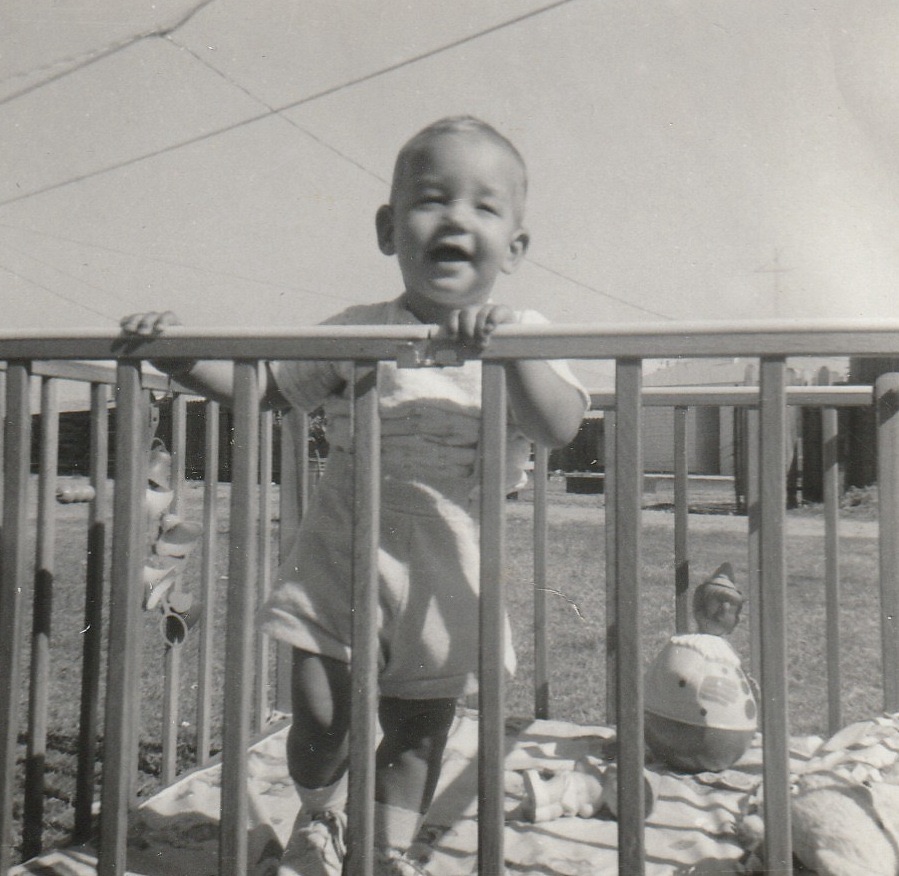
Between sunset and dawn’s bright rising
as darkness wraps the world in a shroud of opaque
the moon child awakens
stretching, reaching
taking into his hands all that is gratefully given
In strength and possession
in the rightful claiming of blessings bestowed
When all else fades
dimming
when all else retreats and cowers
the moon child shines

 Can You Hear Me Now
Leave a comment