Fraud really thrives in moments of great social change and transition. We’re in the midst of a technological revolution. That gives con artists huge opportunities. People lose their frame of reference for what can and can’t be real.
Maria Konnikova
Since my retirement last May, I have attempted to fill my days with worthwhile and engaging activities. In addition to the joy of caretaking my three, and soon to be four, grandchildren, I dedicate a significant amount of time to volunteer work. I previously wrote of how I prepare meals for my church in Kitchen Ministry.
I have also repurposed my years as a technical nerd by working as an AARP fraud watch expert. This requires me to stay current on the latest cyber scams as well as speak at events around the Twin Cities. Just last week I presented two sessions and my February calendar is filling up with gigs at senior centers, community centers, YMCAs, YWCAs, and churches.
Over the past several months, I have listened to horror stories from people who lost significant amounts of money to cyber criminals. The emotional toll has often been just as devastating. Knowing that I might prevent one more person from falling prey to fraud keeps me coming back for more.
I also know that I can only speak to so many people. To help spread what I know, I put together the following Cheapo-Cheapo Productions video. I not only cover material on how to recognize the most common frauds, I talk about ways to prevent them. I also talk about what to do if you have been defrauded.
Some of what I present in the video may seem like common sense to many people. Sadly, I know of really intelligent people who have fallen prey to scammers. They got caught up in their emotions and made decisions that felt right at the time. Scammers know a lot about us (e.g. social security numbers, credit card numbers, dates of birth, etc.) and they can sound awfully official. Under the right circumstances, we all have the potential to get caught in their dark web.
Fun fact: I fell for a fraud last year. While out walking my dog, I check for emails on my iPhone and saw a message from a coworker asking for my cell number. I responded without looking at the from address. 30 seconds later I realized that the email came from Gmail and not his work address. I forwarded the email to his corporate account asking “Is this you?” He responded with “no” and seconds later I received a text message from the fraudster. I immediately deleted the message and blocked the number, so other than a bruised ego, no harm was done. Still, it made me realize how easy it is to fool me and I didn’t like that one bit.
Lights, Camera, Fraud Action
It’s a bit strange presenting to an empty room, but I did my best to sound excited. I like to play off the crowd and talking to my PC screen for nearly an hour is more than a bit uncomfortable and weird. Please forgive any awkwardness. I like to think that I am much better in person. I also like to think that I look like George Clooney and we all know how accurate that is.
Note, since this is not an official AARP event, I am not using an AARP presentation. Instead, it’s a mostly homegrown collection of what I feel is important to folks no matter what their age. While seniors are losing the most money, we are all targets and everyone needs to be aware of what is out there.
Note: There is typo in the section on freezing your credit reports. The correct number for Experian is 888-397-3742.
So, without any further ado, watch and learn.
That’s it. If you learned anything from my presentation, please spread the word. If I missed something important, let me know. We all do better when we all do better.
Staying Current
Cybercriminals are forever coming up with new ways to scam us. Thankfully, new ways to protect us from scams are also being developed and rolled out. I intend to treat this article as a living document that grows as I become aware of each new update.
Update One
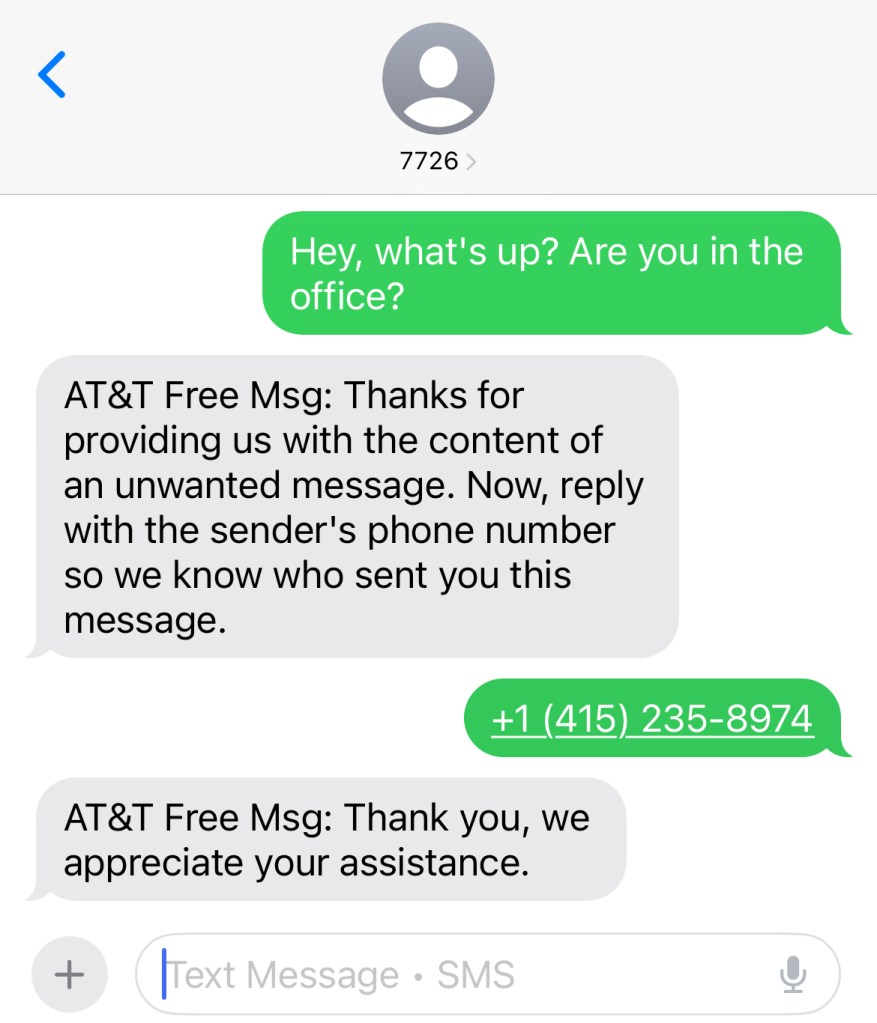
In the United States, scam text messages can be forwarded to 7726 (which happens to spell SPAM on the phone’s keypad). This allows your carrier to continually improve its spam filters.
According to the methodology of your device (Android or iPhone), forward the message to 7726. The carrier will respond asking for the sender’s phone number. Reply with that number.
To learn more about this technique, click here.
Here is an example of me forwarding a spam message on my iPhone.
Update Two
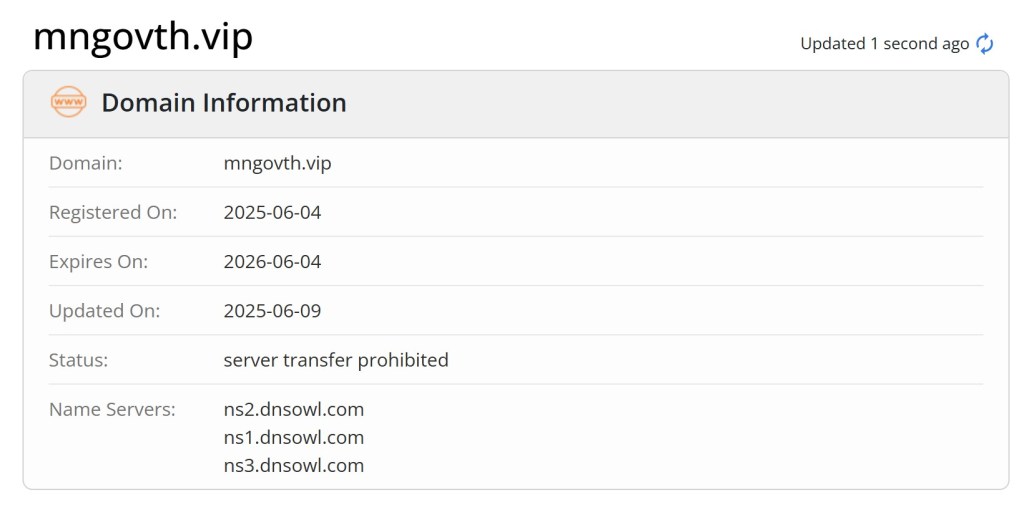
If you are concerned about the validity of a link, you can check the domain using the website htts://www.whois.com/whois/. Simply enter the domain you are questioning and press Search. Whois will then tell you who owns the domain, when it was registered, and lots of other interesting information. If the domain in question was recently registered, it’s a good chance it’s a scam site.
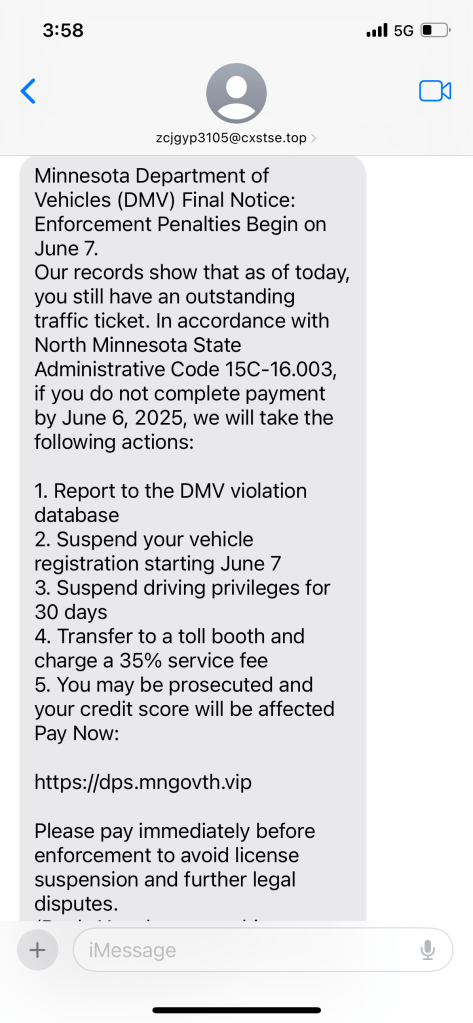
For example, on June 4th I received a text that contained a link with the domain mngovth.vip. This is what I see when I run it through whois. Notice that it was registered the day I received my the text. Red flag!
For grins, here is the text message. Even without the whois check it’s pretty obvious that this is a scam.
Update Three
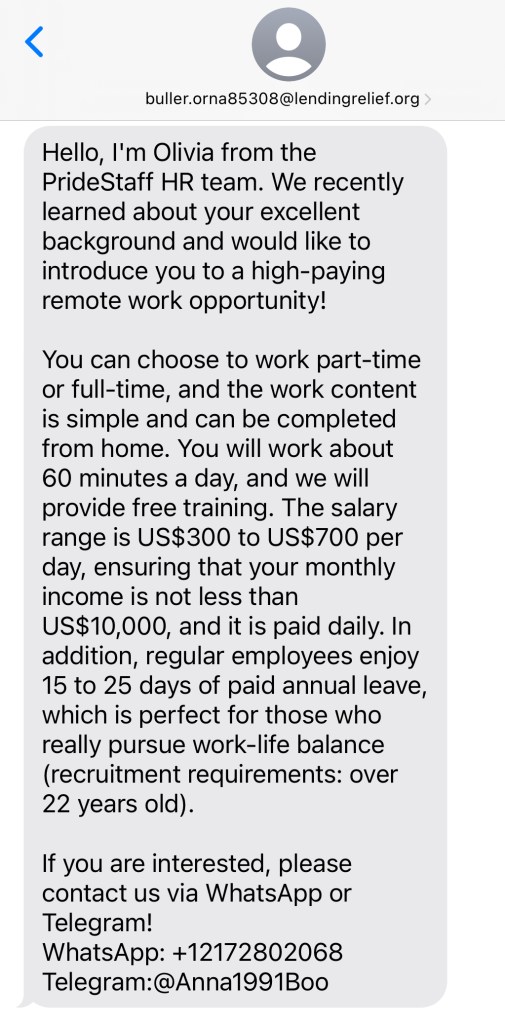
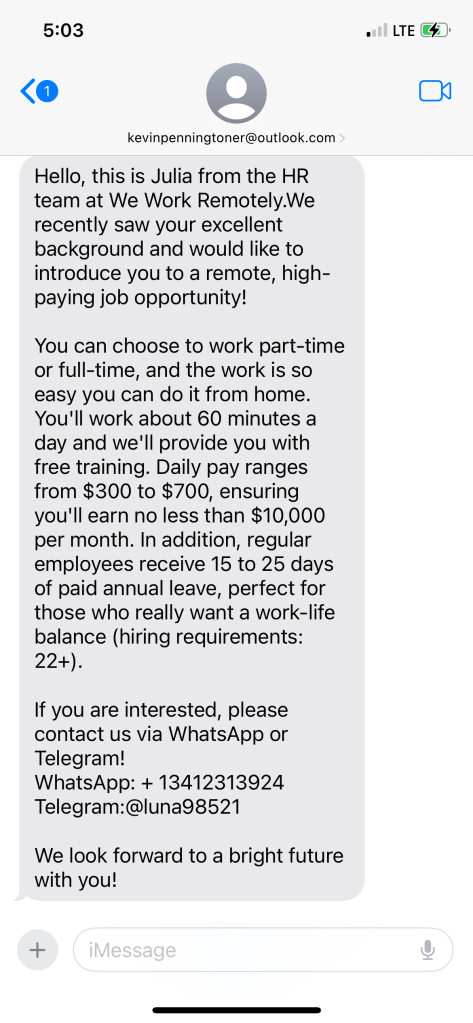
Employment scams are on the rise. They come as texts, emails, or social media direct messages. They offer jobs that are too good to be true in terms of money, hours worked, and benefits. Here are two that I recently received. Notice that other than the contact information, they are nearly identical. Also note that they come from email addresses that have nothing to do with the phony job offers.
Update Four
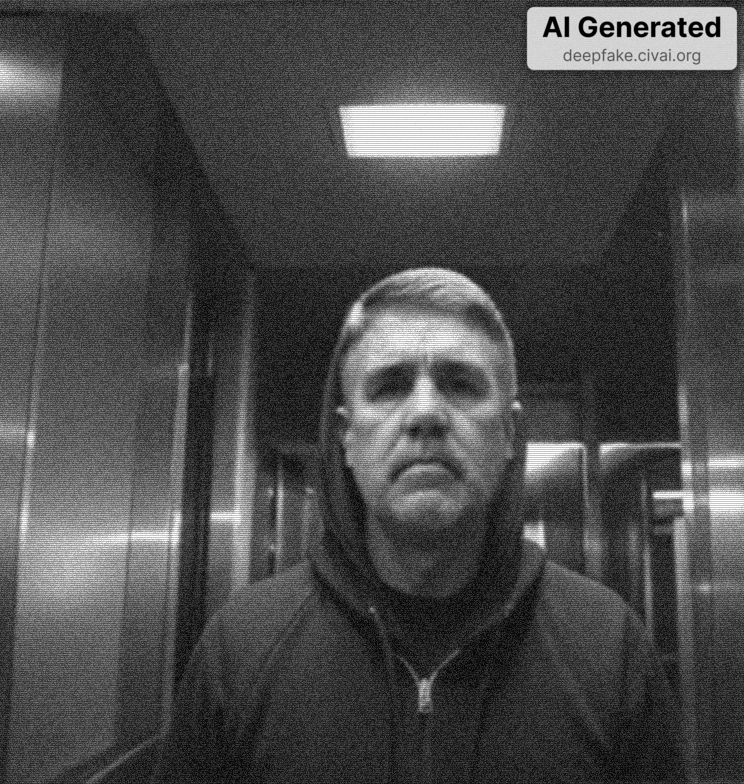
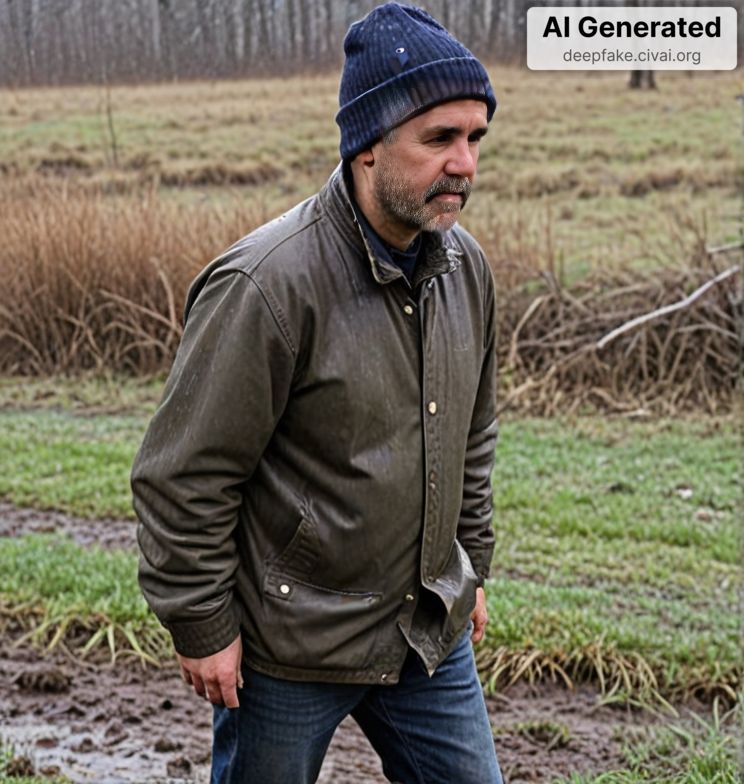
I recently came upon a website that demonstrates how easy it is to make deep-fake images using a number of different scenarios. Below are two I created using my face. The first deep-fakes a security camera image and the second is of me walking in a field in the rain. Despite the fact that I look quite scary, they are pretty darn accurate.
There are multiple ways a criminal can use this technology. For example, a common scam today is calling a parent to say that their son or daughter has been in a terrible car accident. Imagine the additional weight that call would carry if a AI created image of the injured child was texted along with the phone call. This could easily push the emotions of the distraught parent to the point where they are willing to do anything.
Update Five
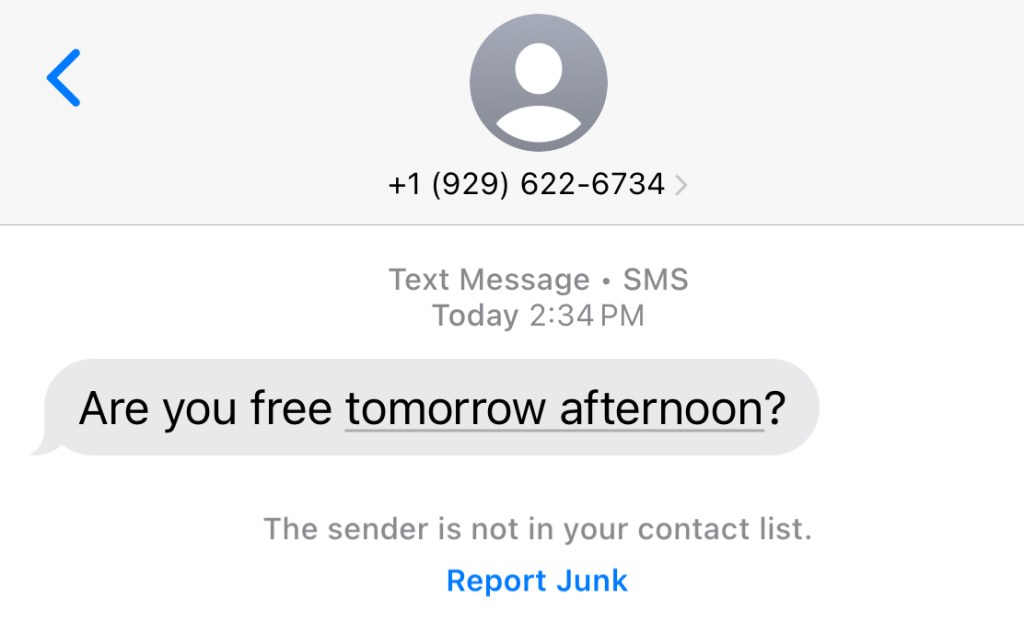
Romance and finance scams often begin with a text messages from someone you don’t know. The text starts with the criminal pretending they reached you by mistake. If the recipient responds, the scammer apologizes and then starts chatting. The goal is to develop a friendship/romance in order to get you to send money or invest in fraudulent cryptocurrency scams.
If you receive such a message, do not engage with the sender. Report the message as spam and block the sender.
This is a typical text message:
Update Six
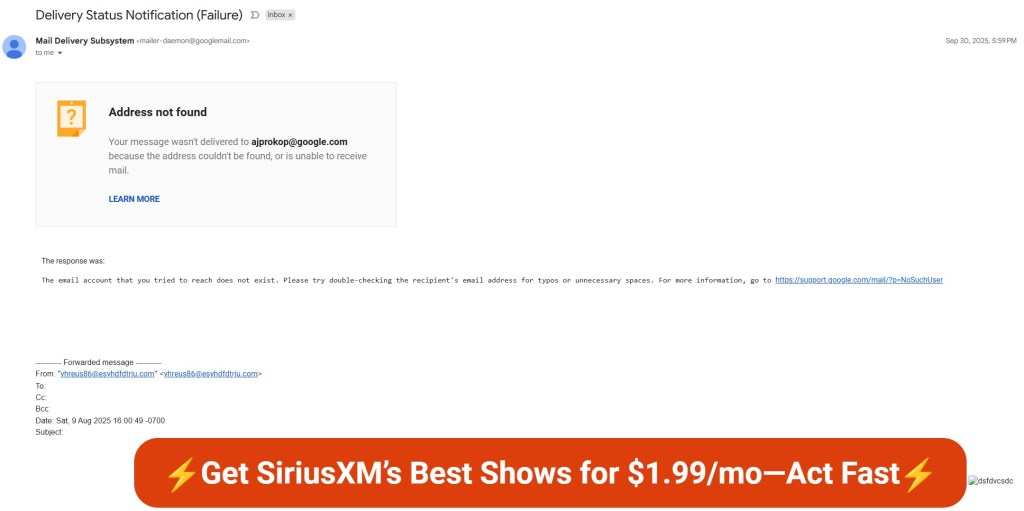
I am regularly seeing delivery report emails which are actually scams. They are designed to trick you into believing that an email you sent was not delivered. The scammers want you to open the email and click on links or images to see what the problem is. Here is an example of one I recently received.
Thank you for reading and watching.

Like an old and tired joke
told one too many times for laughter
or a teenage pop star
whining
pouting
long past the point of annoyance
I face today
as I did the last one hundred
chagrined
impatient
anxious for the change that never seems to come
April fooled
that’s me
wake me when it’s over

 Can You Hear Me Now
Leave a comment