The Road goes ever on and on
Down from the door where it began.
Now far ahead the Road has gone,
And I must follow, if I can,
Pursuing it with eager feet,
Until it joins some larger way
Where many paths and errands meet.
And whither then? I cannot say.
J. R. R. Tolkien
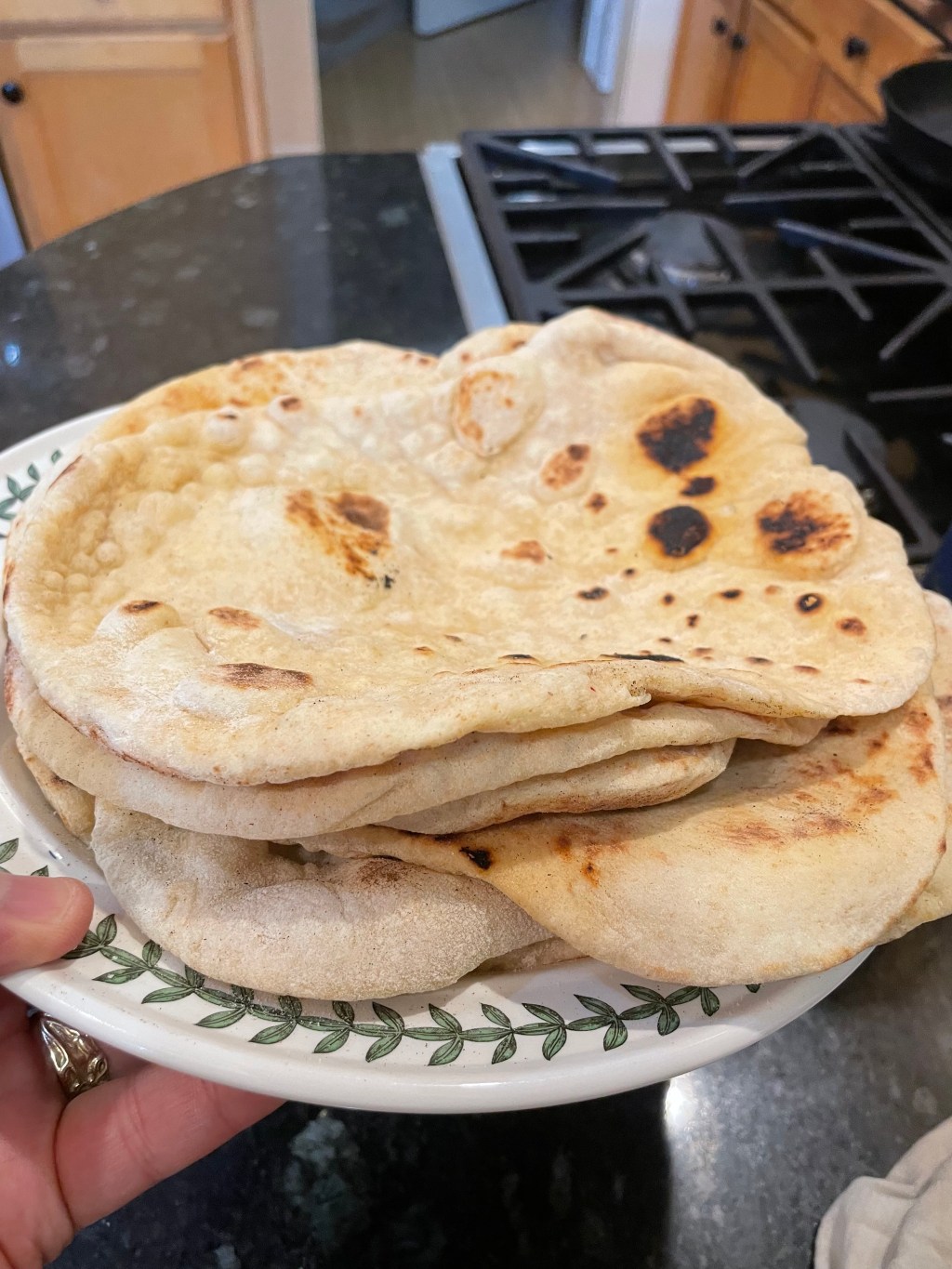
I became enamored with East Indian culture the day I heard George Harrison play sitar on the Beatles’ “Norwegian Wood.” I subsequently went beyond my pop culture introduction through an exploration Indian classical music, Hindu spirituality, and the fundamentals of Northern Indian cooking. While I am not as skilled as I would like to be (or as I intend to be), I make a reasonable saag paneer and my naan breads are restaurant quality.
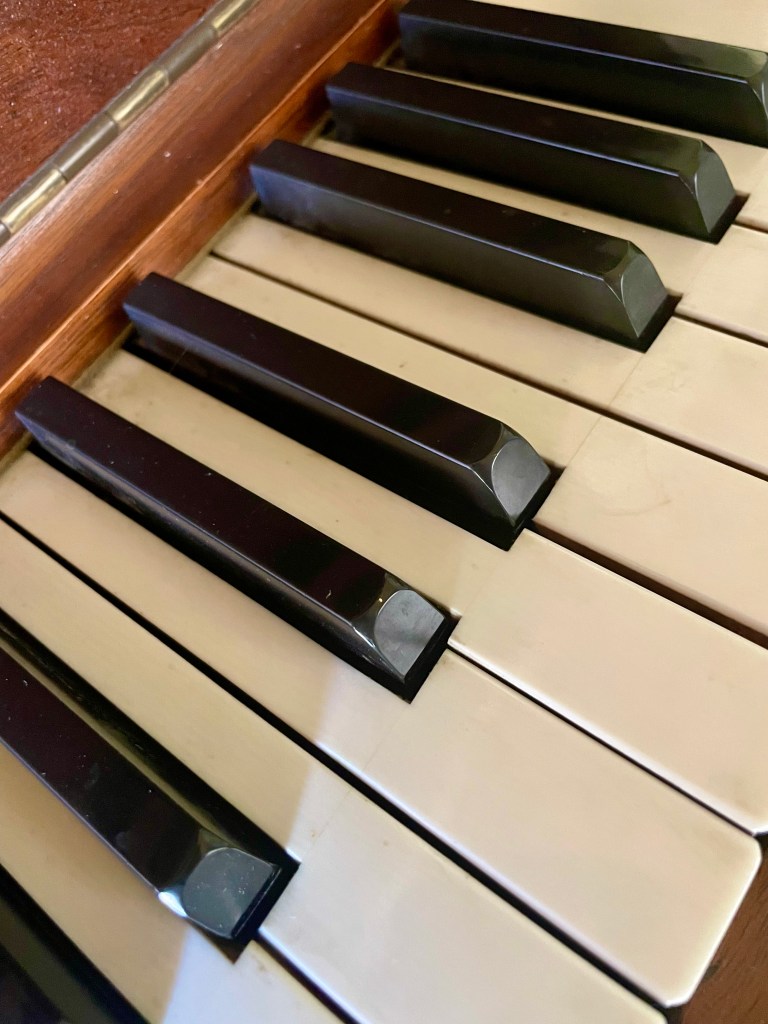
So, when I recently heard a man on Minnesota Public Radio speaking about Indian music, I gave him my full attention. He said something that really resonated (pardon the pun) with me. In Indian classical music, how you get from note to note is far more important than the notes themselves.
That reminds me of something Miles Davis once said. Looking at a piece of music Miles proclaimed, “The music is not in the notes, but in the silence between.” Hearing essentially the same thing from two different cultural reference points forced me to look for parallels in all aspects of life.
The first thing that came to mind are some words from Stephen Sondheim’s amazing musical play, Sunday in the Park with George. In one of the most powerful scenes, Dot sings to George, “The choice may have been wrong, but the choosing was not.”
Think about it. Isn’t that the same as saying that how you decide to move from choice to choice (think white space) is far more important than where you ultimately land? Channeling Miles Davis, “The choices are the notes while the choosing is the music.”
If you take a holistic look at your life you will find these same themes repeated over and over again. Where you are at any one moment in time is not as important as how you got there and where you are headed.
For example, your job does not define you, but the path(s) you took to get and maintain the job are. The same can be said about your birth family, education, or bank account balance. How do you deal with family trauma, what were the twists and turns of your schooling, and what do you do with the money you have? Rather than focusing on where you are physically, spiritually, or mentally, you need to become more aware of how you got there.
Taking it one step further, if the notes are not as significant as the white space, then the place you find yourself become interchangeable with all the in-between places your journey has taken and will take you. In other words, there is worth, joy, and intention at every step at every moment. Everything has value (even when we feel we are at our lowest) and it’s essential that we practice mindfulness no matter where we are.
I am not saying that complacency is a good thing. Growth occurs during the white spaces and not the milestones. Staying too long in the same spot ultimately leads to stagnation. Always remember that the journey is the destination. Appreciate where you are, but don’t wait too long to start your next adventure.
Middle Age Awakening
Anyone my age has discovered that you aren’t necessarily where you thought you would be at this time in your life. As meaningful as my life is today, it is a far cry from where I expected to be. Through mistakes, misconceptions, lucky breaks, good fortune, helping hands, and downright carelessness, my white spaces have been a mosaic of smooth and rutted roads. I will always carry within me everything I have ever experienced — the good, the bad, and the ugly.
It’s often called middle age crisis, but I rejected that phrase years ago. It’s better to think of it as a middle age awakening. For me, part of my awakening has been recognizing that where I am is far less important than who I am. My career, house, car, stock portfolio, triumphs and so-called failures are the notes. Who I was, who I am today, and who I strive to be are my white spaces. I am the music that is my life and I have learned to love the song.
Have you given thought to your white spaces? How have they taken you to where you are today and where are they leading you? How many unexpected and perhaps unwanted white spaces turned out to be the right things at the right times? I have had more than my fair share of those!
Postlude
This afternoon, I am attending the funeral services for the daughter of a friend. She was only in her early thirties and after years of debilitating pain from a car accident, she chose to take her life. It came as a surprise to everyone and months after her passing we are all still processing her tragic death.
This is the kind of white space no one wants to go through. Having three children of my own I cannot image the pain that my friend and the rest of his family is enduring. I doubt this will take them to a better place, but it will most certainly take them to unexpected places. I wish them peace on their journeys.
Thank you for reading.
There is an age I’m told
where cavalier and careless
give way to restraint and reserve
where conformity is prized above all
and singularly becomes a relic of a reckless past
The age of submission
of falling in line and gleeful surrender
And yet, here I am
long past 60
still heedless
still rash
Disregarding boundaries
and forever coloring outside the lines


 Can You Hear Me Now
Leave a comment