It’s the repetition of affirmations that leads to belief. And once that belief becomes a deep conviction, things begin to happen.
Muhammad Ali
Each meeting of my men’s retirement group has a different topic of discussion. In the past, we’ve spoken about everything from unexpected events that changed our lives to how we approach downsizing. Today’s topic is one that has become very important to me. “What is the Religion, Theology, Faith, or Philosophy you grew up with and how has that R.T.F.P. changed over the course of your lifetime?”
Below is something I started a number of years ago and have continued to refine as my beliefs have evolved. Like the work of my Fourth Step, it has become a living document that changes as I change.
This is what I believe.
I was born in Phoenix, Arizona on a hot July day way back in 1958 and spent my childhood years in a modest house in Scottsdale. For those of you familiar with Scottsdale, I need to point out that 66 years ago Scottsdale was not the big dollar tourist town that it is today. My father was a high school educated, navy trained, electronics technician supporting a family of five (eventually growing to eight). We were one of the one of the many middle class families that made the trek west in search of opportunity and open skies. We were the belly of the baby boom and a big belly we were.
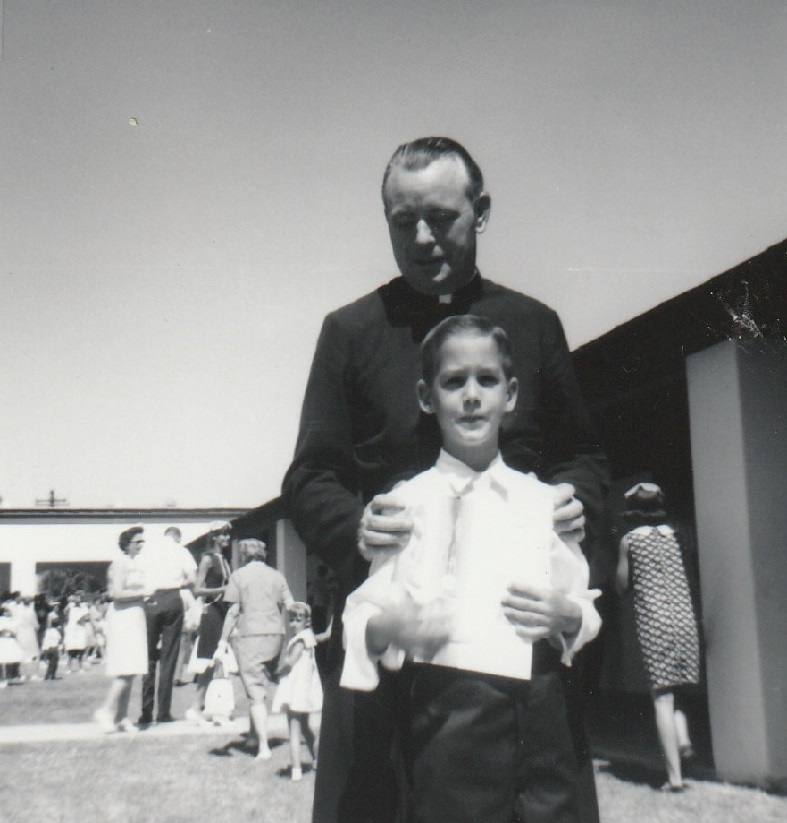
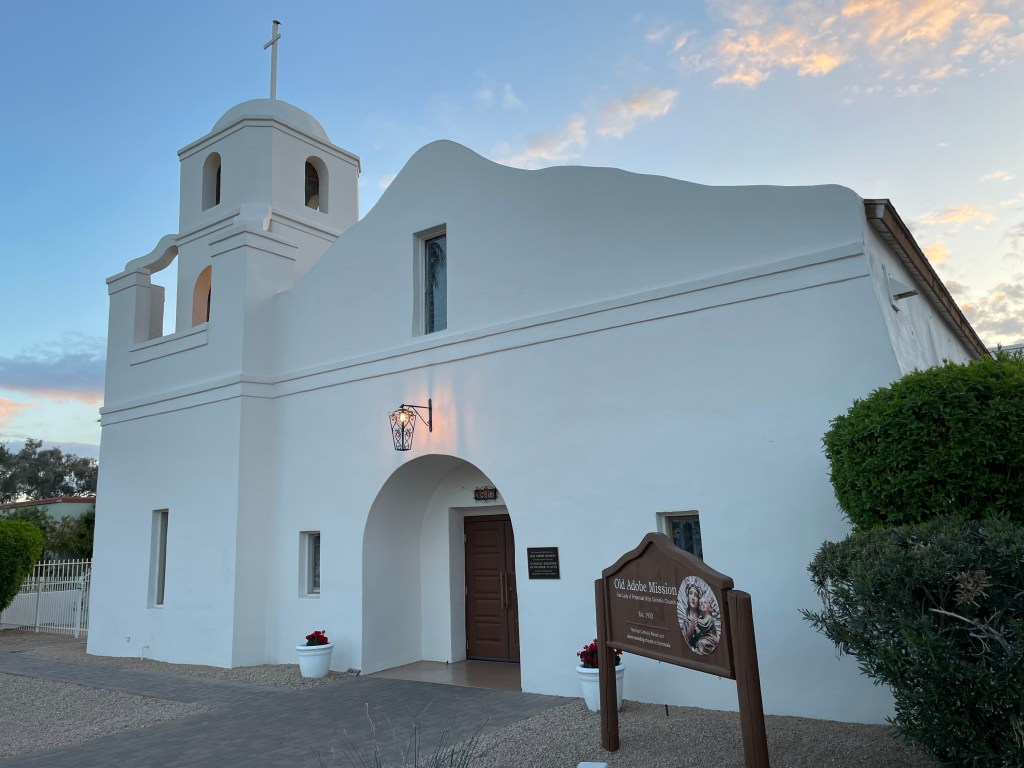
I was raised as a Roman Catholic and called myself one until sometime in my middle teens. My church, Our Lady of Perpetual Help (shades of Lake Wobegon), was composed of middle class families originally from places other than Arizona. Until my generation there were very few native born Arizonans. The Mexican influence was quite strong in my church and it wasn’t until I was much older that I realized that all churches didn’t put the Virgin Mary on the same level as Jesus Christ.
Although I tried to be a good Catholic, it wasn’t always easy and I had my first crisis of faith at a very early age. Those of you raised Catholic may recall that until Vatican II Catholics were not allowed to eat meat on Fridays. In fact, it was considered a “mortal sin” and those who died with un-forgiven mortal sins on their soul were denied entrance to heaven. For an eight-year-old this was pretty serious stuff and I remember great anguish when I forgot what day it was and helped myself to some leftover chicken or a piece of ham.
But along came Vatican II and quicker than you can say Pope John the 23rd, out go the fish sticks and in comes the pot roast. Now, this may sound insignificant, but for me it was earth shattering. At eight years of age I could not understand how something could be so totally wrong one day and completely right the next. It wasn’t that I had any particular fondness for fish sticks; it was the way it all came about. At that point in my life I had never heard of church doctrine and here it was sitting at the dinner table and I found it terribly confusing.
The years passed bringing with them further crisis of faith (like hearing “God damnit” roll off Father McGuire’s tongue) until I found myself going to church less out of desire and more out of a sense of obligation. In fact, in my teenage years I reached the point where I pretended I was going to church only to secretly wander around town for an hour or so. Sometime in my late teens I finally worked up the courage to tell my parents I no longer considered myself a Catholic and besides a few funerals and weddings, I haven’t attended a Catholic mass since I was 17 years old.
Along the way I graduated from high school, went to Arizona State University where I obtained a degree in computer science, married, moved from Arizona to Minnesota, had three children, and for 40+ years earned a living as a software developer. For much of that time I avoided all churches and formal religion.
However, that doesn’t mean that I completely ignored any sense of spirituality. On the contrary, leaving the Catholic Church allowed me to experience a world without rigid doctrine, dogma, or sacraments. Leaving the church exposed me to a world outside the confines of Catholic Christianity. I met people who called themselves Buddhists, followed the teachings of Indian Gurus, worshiped indigenous spirits, and practiced Judaism, different forms of Christianity, and paganism. I met people who believed in one god, many gods, and no god at all.
Instead of confusing me with all these different approaches, and in some cases lifestyles, it became a freeing experience. My mind was open to hearing their stories and how they came to their sense of spirituality. I cannot say that all of it made sense to me on a personal level, but I wasn’t necessarily looking for things that made sense. I was curious as to what people drew upon in their day-to-day lives.
Every so often something life altering would enter into my world. Certain people, books, songs, or films would reach deep inside me and shake things around. Like many young adults I would turn to the poets of popular culture for inspiration. Bob Dylan, John Lennon, George Harrison, Laura Nyro, Paul Simon, and even the biting social commentary of Frank Zappa made their way into my consciousness and helped shape my outlook on life. Hearing the song “Give Peace a Chance” moves me the same way now as it did all those years ago.
Along the way I discovered Hermann Hesse’s book, Siddhartha. Siddhartha is the story of a man who spends his entire life searching for spiritual enlightenment and nirvana only to discover one false path after another. I’ve probably reread that book more than any other and it has become a very important part in shaping who I am today.
There are a number of passages that I could quote, but here is one that I found especially relevant for this morning.
“When someone is seeking it happens quite easily that he only sees the thing that he is seeking; that he is unable to find anything, unable to absorb anything because he is obsessed with his goal. Seeking means to have a goal; but finding means to be free, to be receptive, to have no goal.”
Personally, I don’t believe in a god or gods. I used to think I did, but in retrospect I believed because I never put much thought into it. I believed because it was something I was told to believe. Now, as a 66-year-old man I find no reason to put my faith in a supernatural being or spirit. While I accept that others do, it’s not something that fits into my sense of being. For many believing in God is the starting point. For me, believing in God is simply another path among many.
So, what do I believe? I had hoped I would be able to sit down and write something extremely profound and moving, but that wasn’t to be. In the end, the things I believe in, the things that make sense to me, and the things that I try and place at the center of my actions are quite simple and in my opinion, extremely obvious.
I believe in treating the world and its inhabitants with love, respect, and kindness. This can be anything from picking up a piece of litter to voting for candidates who support equal rights for gays, lesbians, and trans people. I believe that my actions, whether great or small, have some effect on the world around me.
While I personally cannot make great changes in the world, I can make a difference. I make a difference when I teach my children the importance of voting and free speech. I make a difference when I turn out unused lights. I make a difference when I tell someone I don’t appreciate his or her repeating a misogynist or racist joke. Each and every action I perform has the potential to do some good in this world.
I believe in being engaged in life. I consider myself a lifelong learner and continually set new goals and challenges for myself. Whether it’s writing, ice skating, biking, playing Irish Banjo, photography, programming, or desktop publishing, I feel the need to expand my knowledge and skills. I may not ever become an expert in any new thing I undertake, but to me that’s not important. What is important is that I constantly look for ways to reinvent myself.
I take tremendous strength from the natural world. Growing up in Arizona gave me an appreciation for places wild, rugged, and what might seem to some, uninhabitable. I look upon a ponderosa pine forest, the Sonoran Desert, a mountain range, or a big lake like Superior and feel at peace with myself. I love living in a city like Saint Paul, but I feel an equal love for places without brick, mortar, concrete, and plastic. I respect the natural world and feel compelled to treat it with the utmost care and respect. It truly is my sanctuary.
I do this all without a supernatural being looking over me. For me, it’s completely unnecessary. I have no need in my life for a heaven, hell, or for that matter, any form of afterlife. If this is all we get, this is all we get and my actions are based on what I think is right and not any reward at the end of my life.
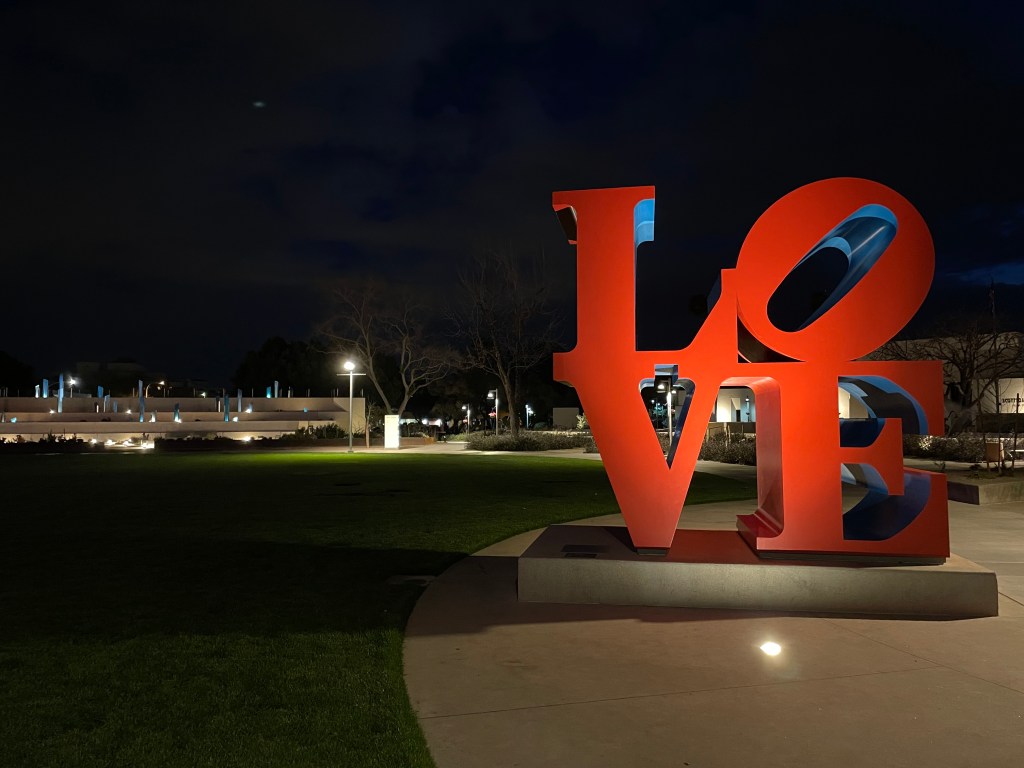
However, I do believe that I am a mere human and not the center of the universe. I have a strong sense of spirituality that allows me to see that there is a force at work that is much bigger than me. I don’t have a good name for this force, but it feels like love. Actually, love and purpose. I am called to know the difference between right and wrong and act accordingly. I am called to treat everyone with respect and at all times, do the next right thing.
Love doesn’t judge or ask me to follow any particular dogma. It’s just there and it feels good to let it teach, embrace, and guide me. I’ve been disappointed by many things in life, but love has never abandoned me — despite the many times I have abandoned love.
Of course, I make mistakes – plenty of mistakes. I can be selfish, vain, secretive, and petty. My kids will be the first to tell you that I am capable of losing my temper over ridiculous things. I forget everything I believe in and go off and embarrass myself by doing something completely stupid or hurtful.
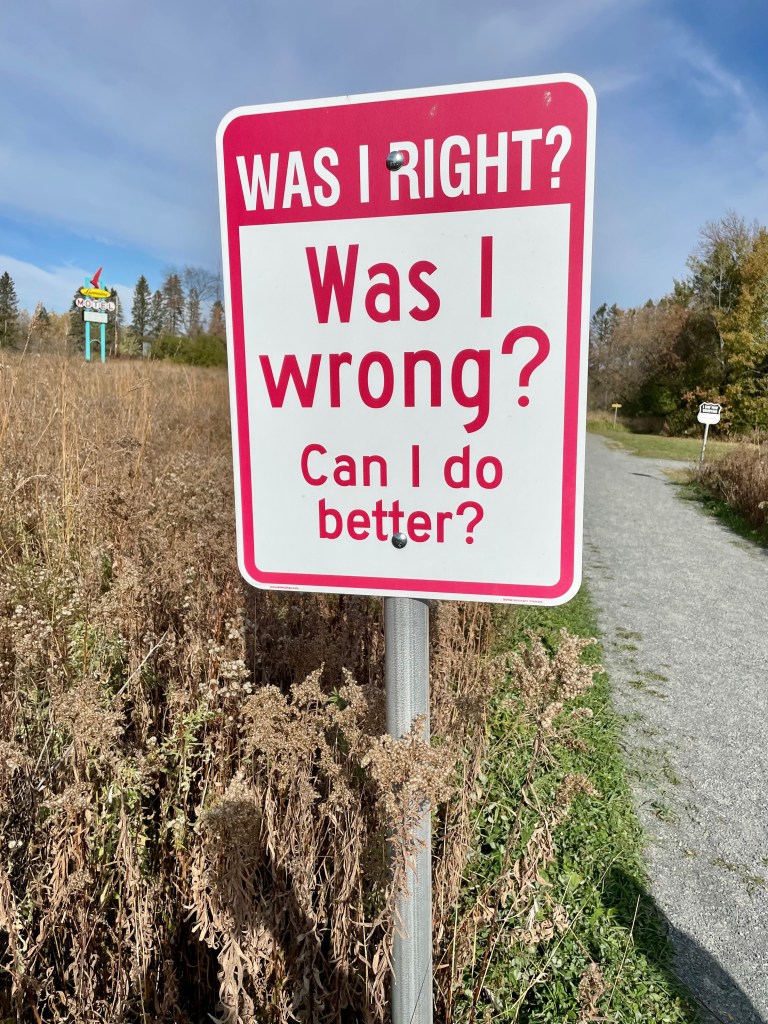
Which leads me to another of my beliefs – and perhaps the most important of them all. I believe in forgiveness. I believe that as humans we have strengths and we have weaknesses. We set lofty goals and all too often we fall short of them. In my perfect world, the words “I forgive you” would be heard nearly as often as “I love you.”
There are, of course, other elements to my beliefs. Integrity, compassion, honesty, and responsibility, but in the end they all work themselves back to love and forgiveness.
Isn’t that enough?
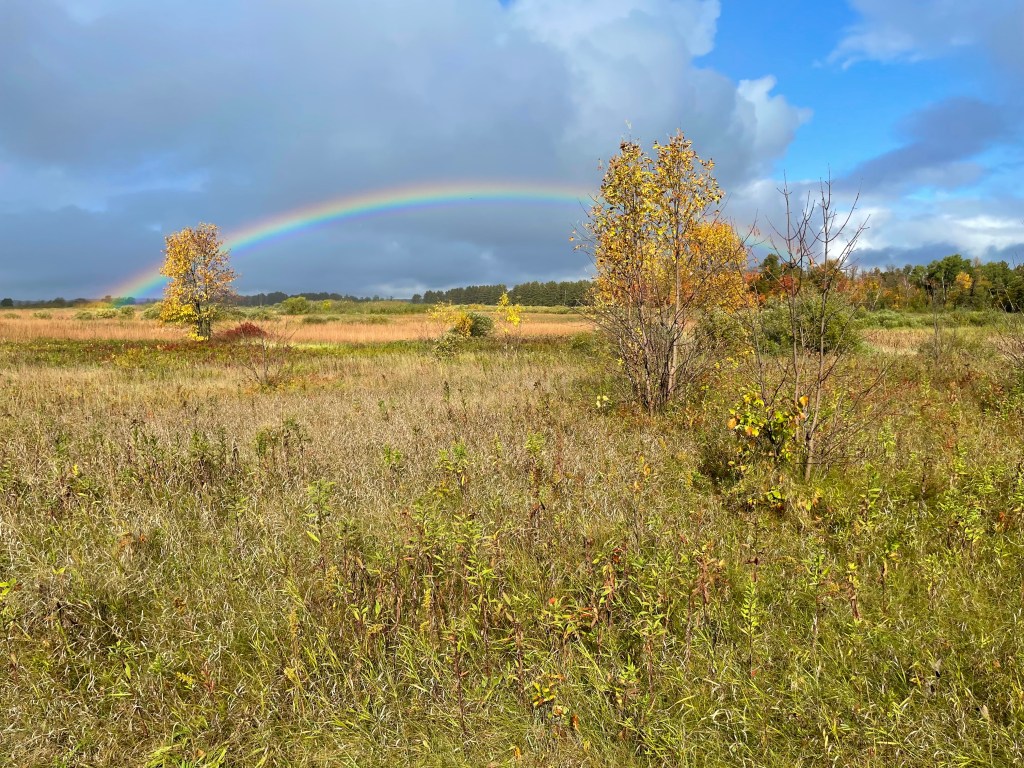
There are two types of freedom
there is the freedom of control
choosing your path and setting your course
And there is the freedom of letting go
of placing your faith in the hands of another
binding your eyes and trusting in love

 Can You Hear Me Now
Leave a comment